The Anticipation Engine:
Psychology of
the Spin
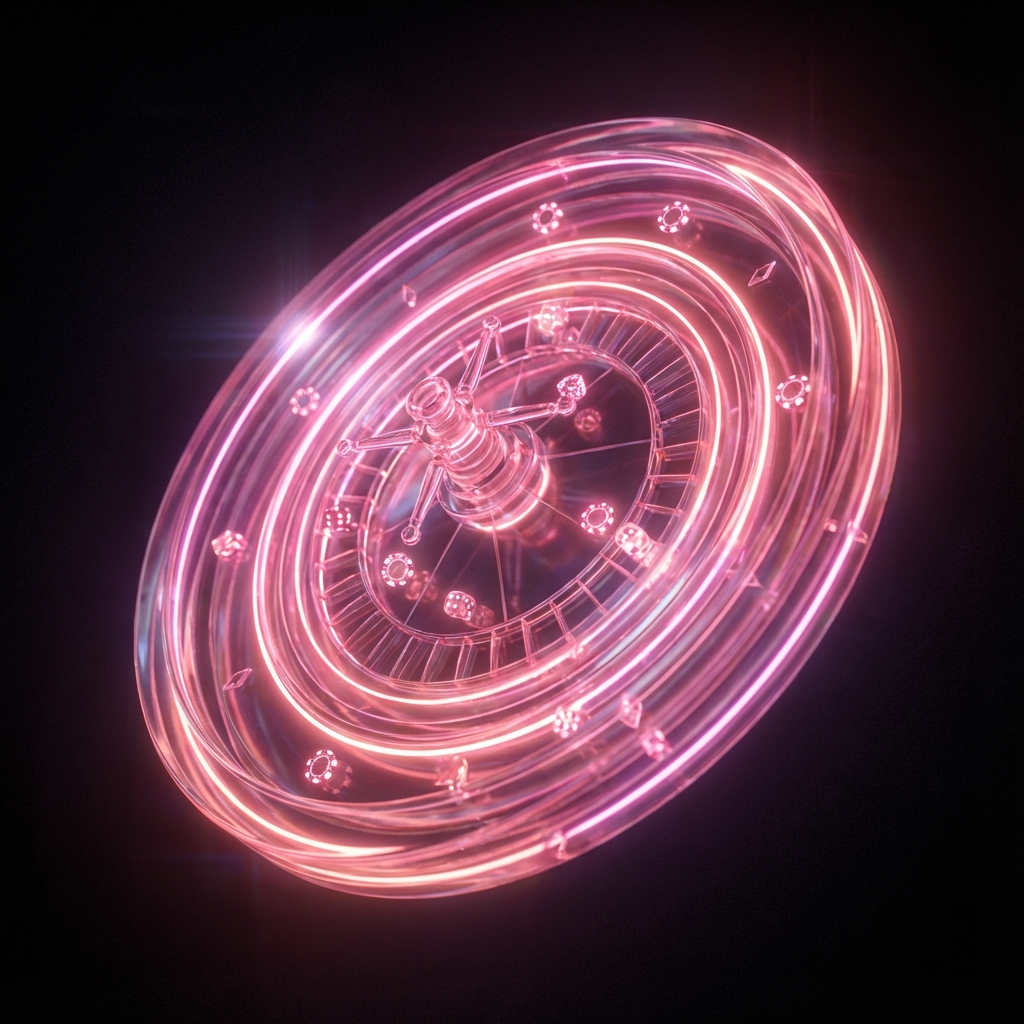
Why is a 10-second spin animation more satisfying than an instant result? The secret lies in the brain's dopamine reward system.
The "Near Miss" Effect
Psychologists have long studied the allure of the spinning wheel. The excitement doesn't come from the win itself; it comes from the anticipation of the win.
When a wheel slows down, clicking past segments, your brain is calculating probabilities in real-time. "Will it stop on gold? No, it's passing... maybe red?" This micro-narrative creates a spike in attention and emotional investment that a simple "You Won!" pop-up can never replicate.
The Role of Physics
For this effect to work, the physics must feel "real." If a wheel stops abruptly or decelerates linearly, the brain subconsciously flags it as "fake" or "rigged."
That is why Cypherpia invests heavily in easing functions and fiction coefficients. Our Lucky Wheel mimics the heavy flywheel inertia of a physical casino wheel. It creates a sense of weight and fairness. The user feels that the laws of nature, not a line of code, determined their fate.
Designing for Retention
For app developers and marketers, adding high-fidelity physics animations isn't just aesthetic—it's strategic. High-engagement animations increase time-on-page and user satisfaction.
A "sticky" experience brings users back. By respecting the psychology of the spin, we turn a simple utility into an experience.